- DISCIPLINE
- EXHIBITION DESIGN
- YEAR
- 2024
- DURATION
- 4 MONTHS
What remains of us
when our memories
begin to disappear?
Our memories shape the way we understand ourselves. They hold the faces we recognise, the places we call home, the relationships we cherish, and the experiences that make us who we are.
But what happens when these memories begin to fade? When the familiar becomes unfamiliar, when recognition turns to uncertainty, and when fragments of a life slowly become harder to retrieve?
Understanding
Dementia &
its Impact
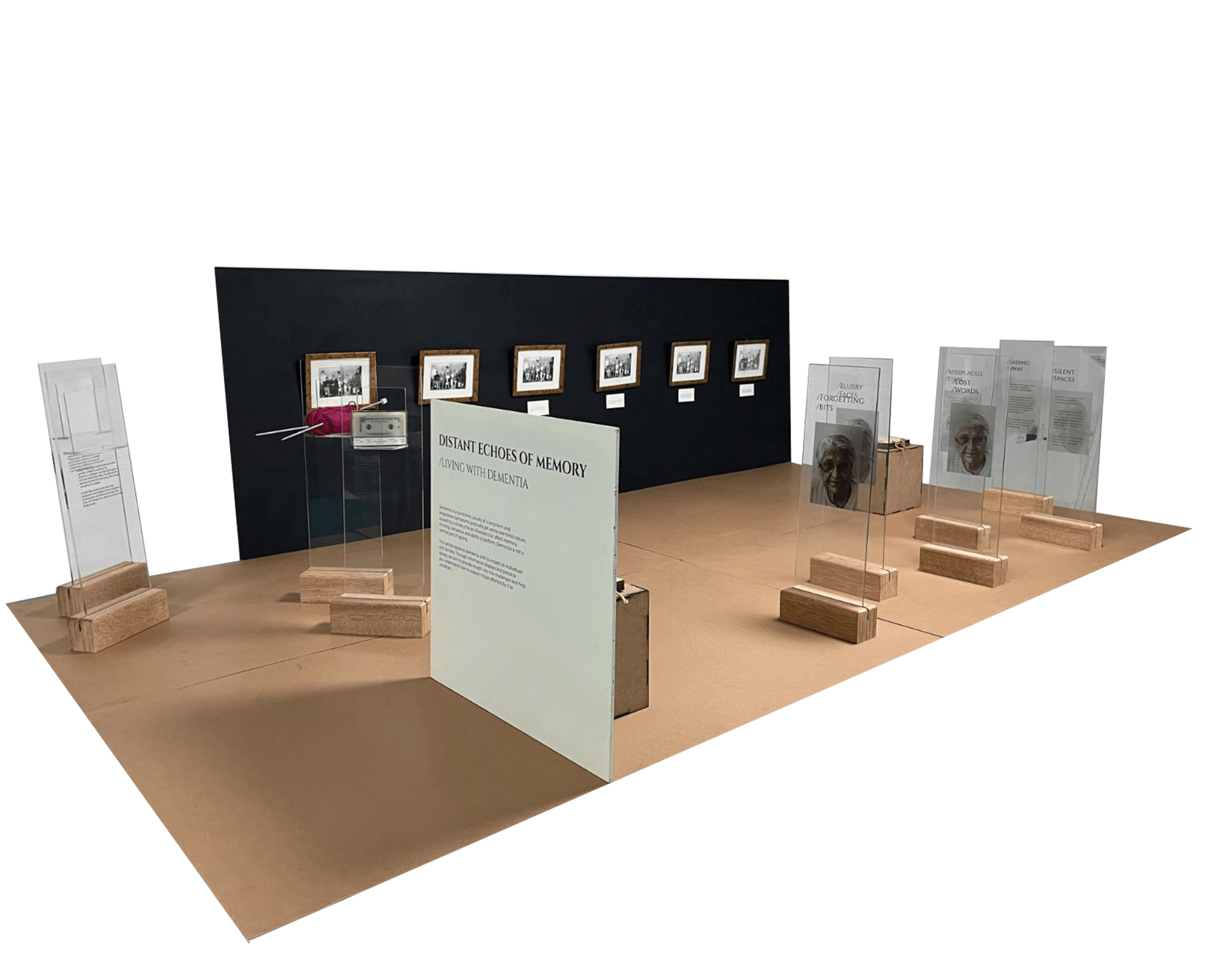
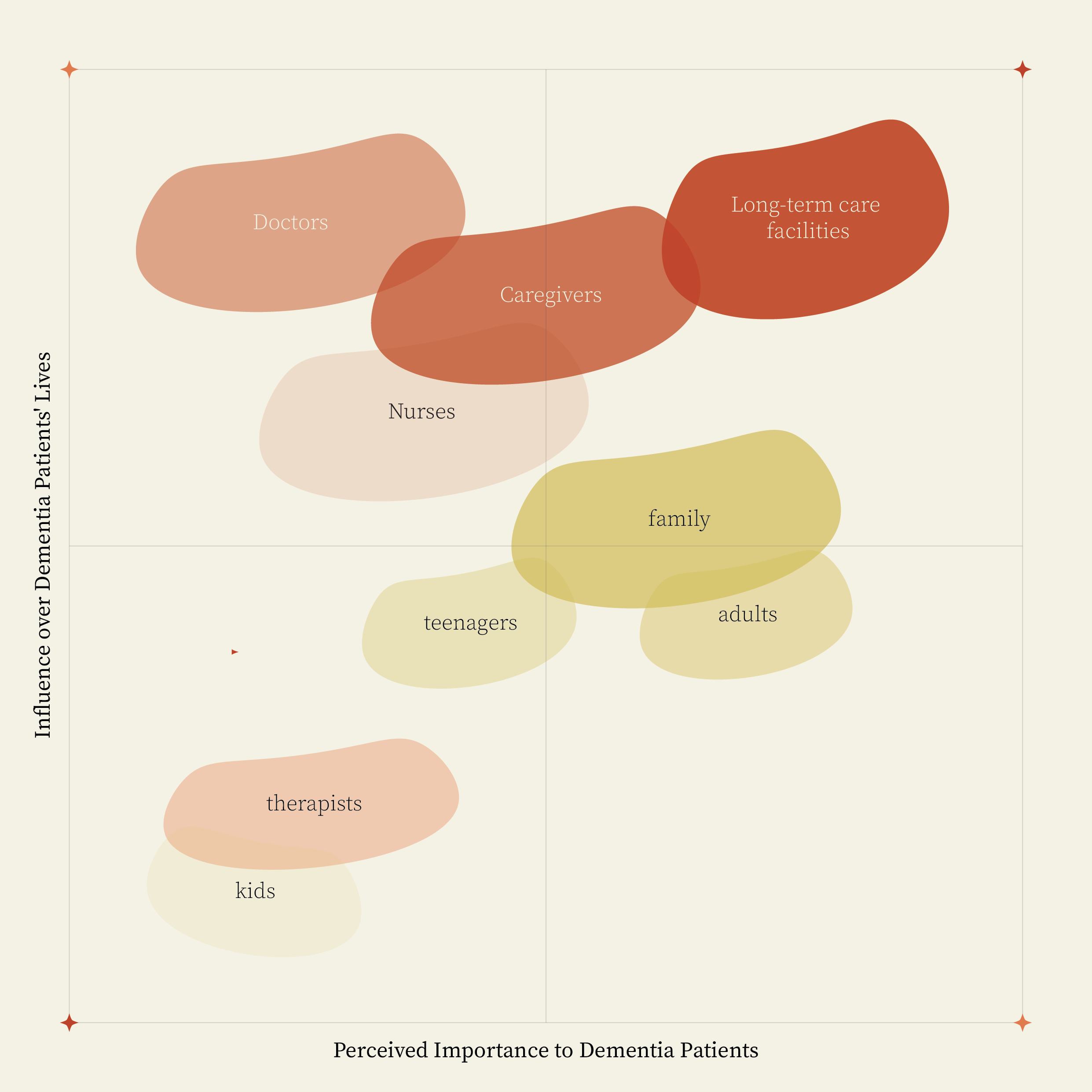
Through interviews, surveys and stakeholder research, the study explored public perceptions of dementia, gaps in understanding, and the emotional and social dimensions of caregiving.
Four interconnected themes emerged, informing three guiding principles for the exhibition: awareness, empathy and experiential learning.
How do we give
form to something
as intangible
as memory?
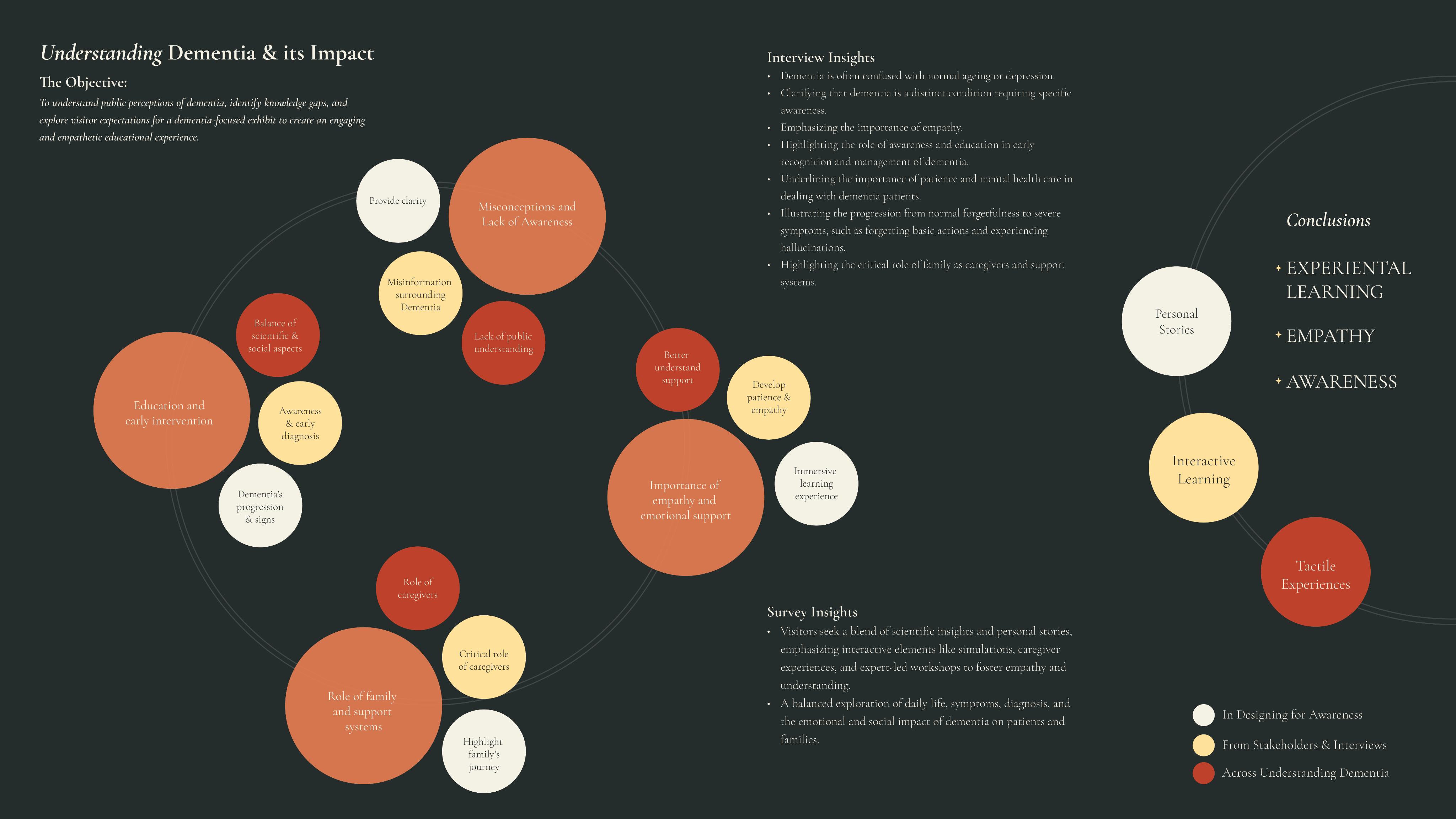
Through imagery, materiality and interaction, the exhibition explores the act of remembering, the uncertainty of forgetting, and the emotional connections that endure.
Element 01
Fading Glass Panels
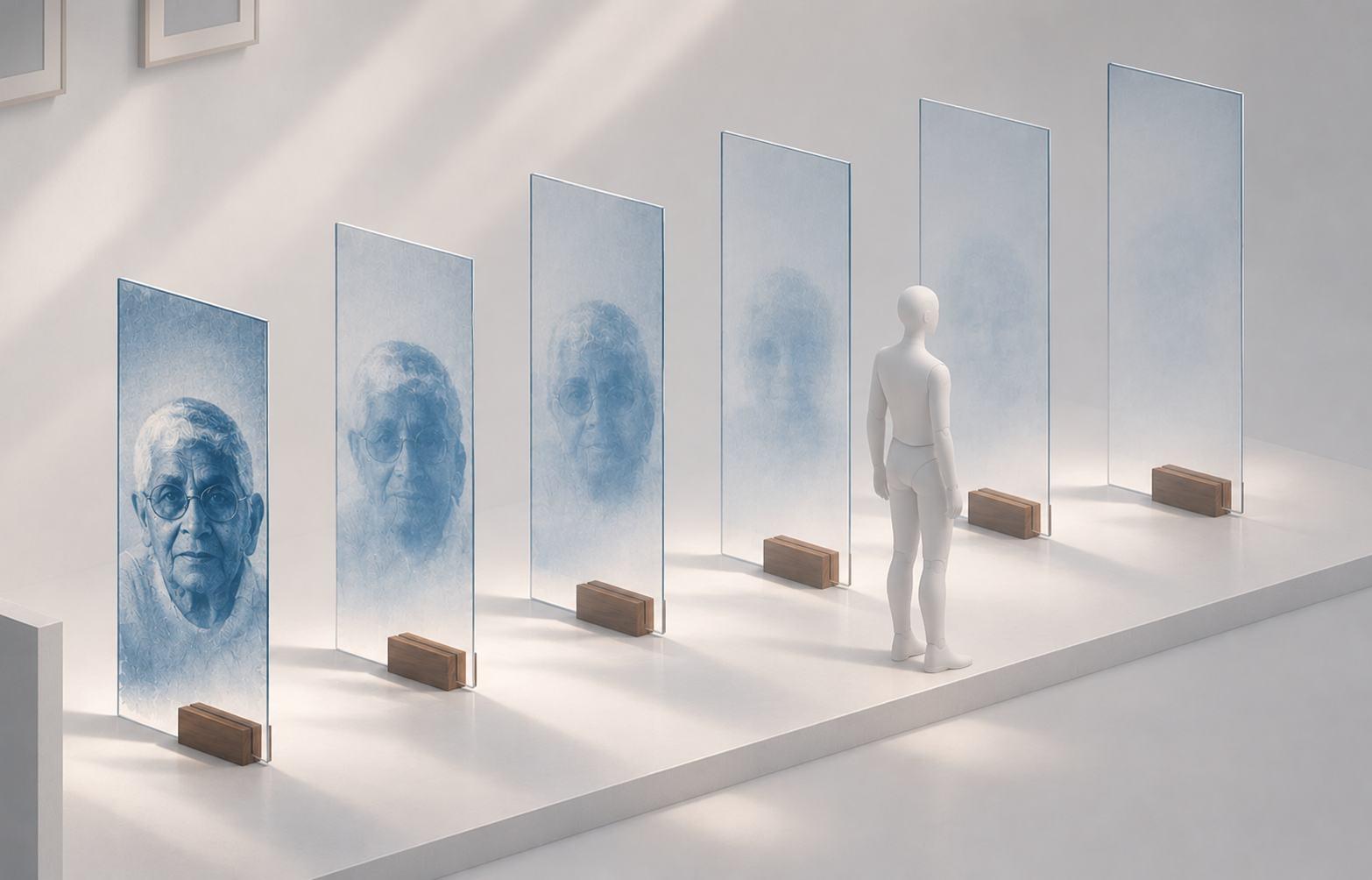
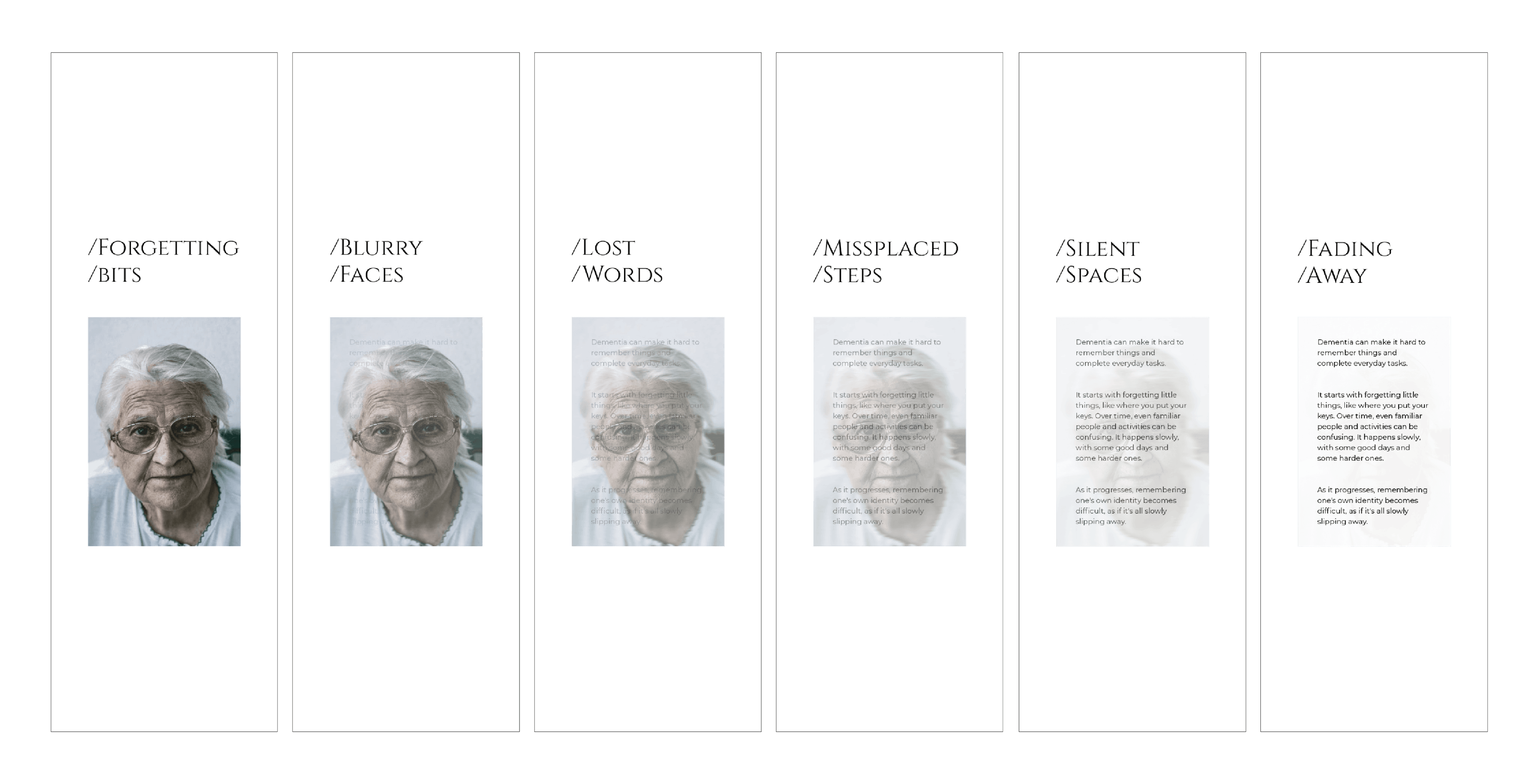
A series of six glass panels explores the fragility of photographic memory through the gradual disappearance of an image. As the photograph loses its definition, the accompanying text becomes increasingly legible.
This inverse relationship creates a paradox: the more the observer learns about dementia, the less they recognise the image before them.
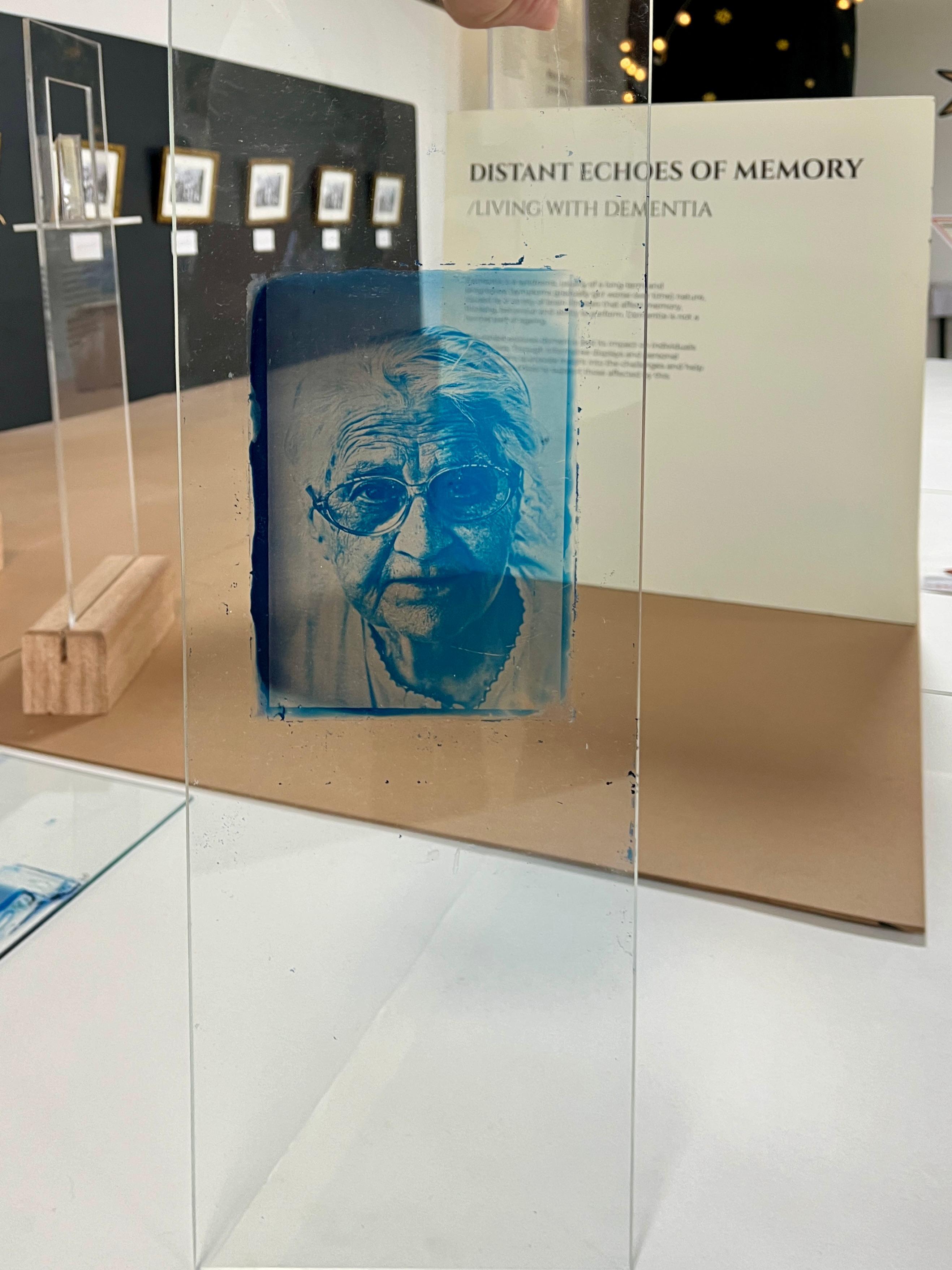
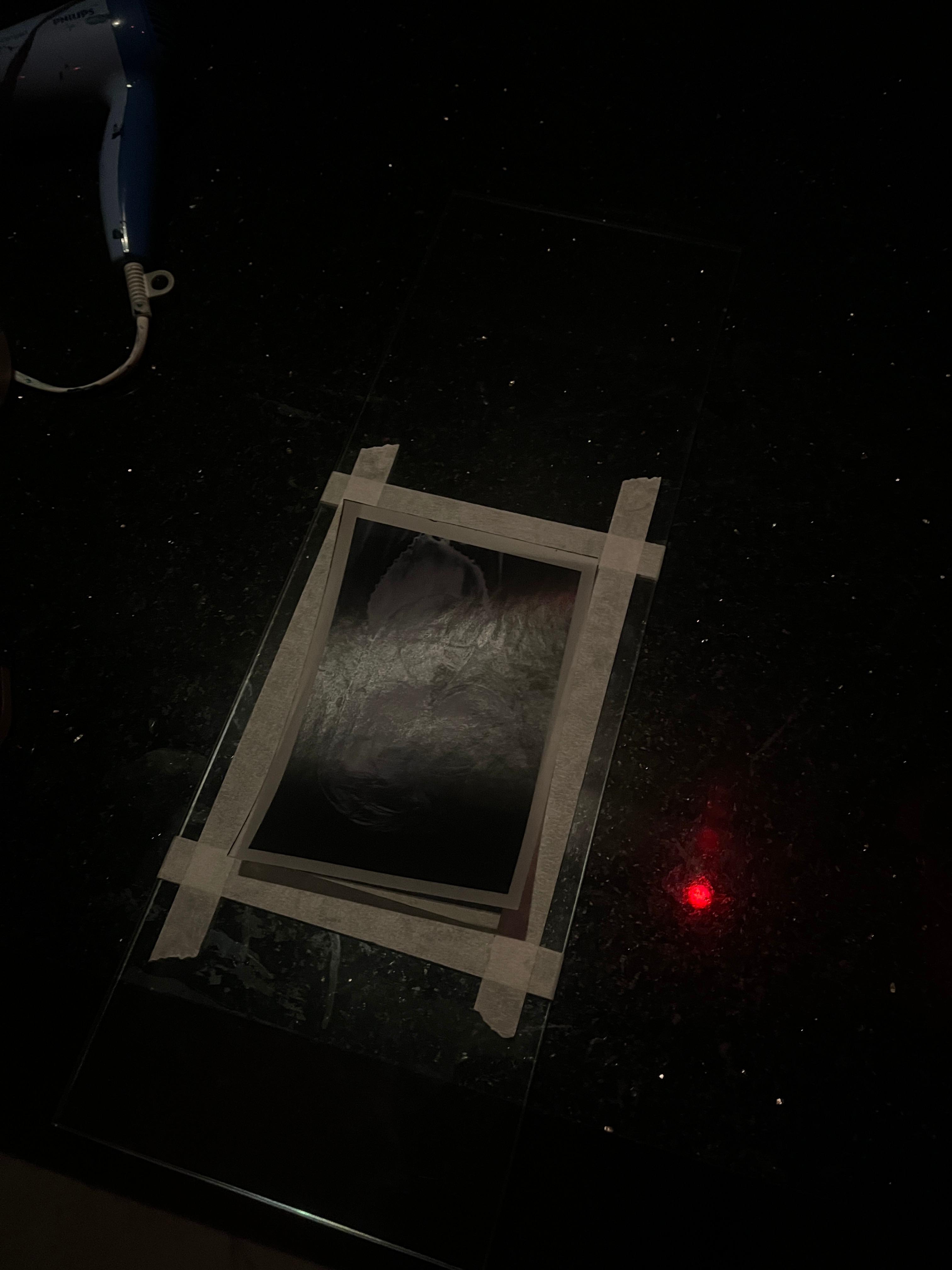
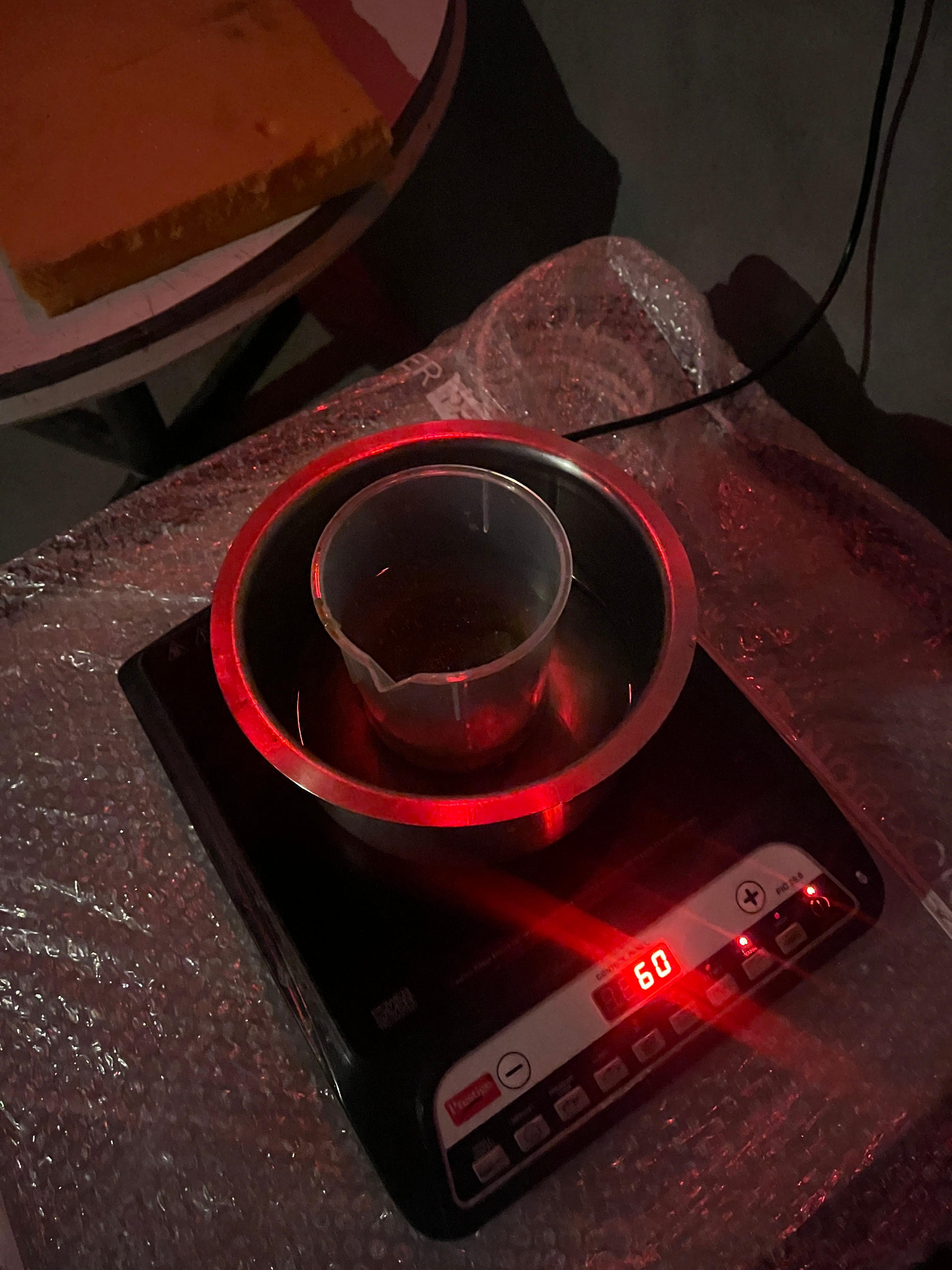
Cyanotype was explored as a medium to give physical form to the fragility of memory. By transferring photographic imagery onto glass, the material exploration investigated the relationship between image, transparency and light.
The resulting prints became the foundation for a visual
metaphor — a photographic memory gradually losing its definition.
The photographic explorations informed a series of six
freestanding glass panels, each carrying
a progressively fading portrait.
As the image loses its definition, the transparency of the glass becomes increasingly apparent. Through the interplay of light, material and photographic detail, the installation transforms the gradual erosion of memory into a tangible visual experience, inviting visitors to reflect on the fragility of recollection and the persistence of identity.
Element 02 / Fading Photograph Wall
The Familiar, Unfamiliar
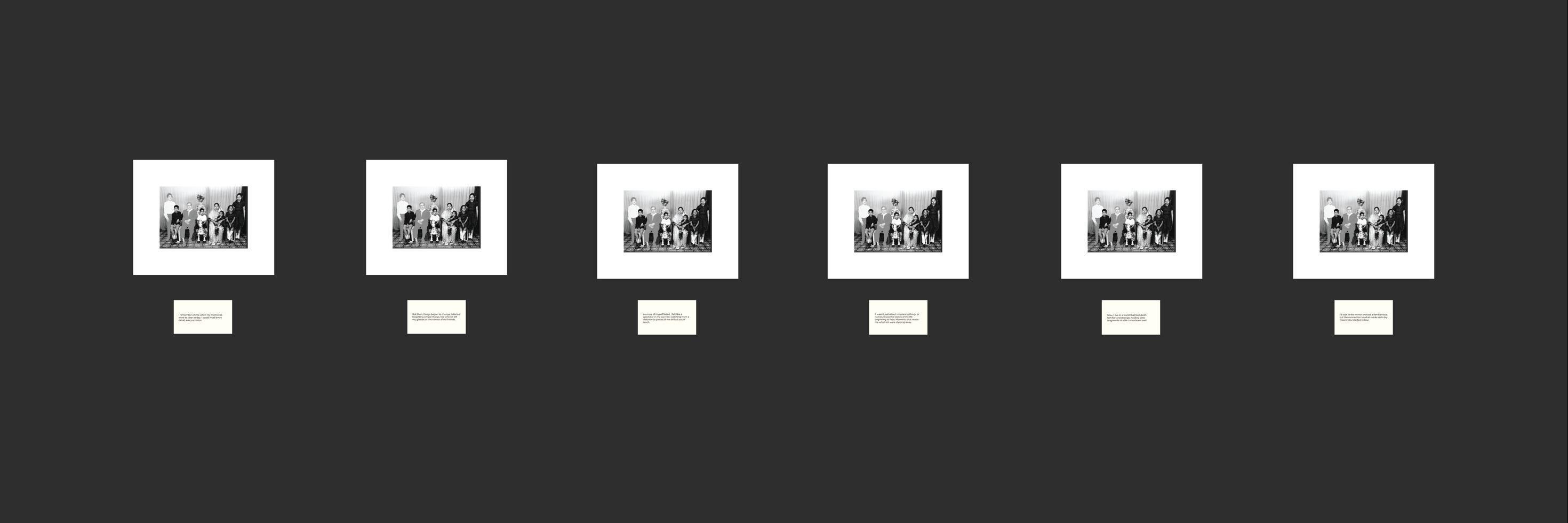
The fading family portraits explore the gradual erosion of recognition and familiarity experienced by individuals living with dementia. Faces once deeply familiar become increasingly difficult to place, reflecting the changing relationship between memory, identity and loved ones.
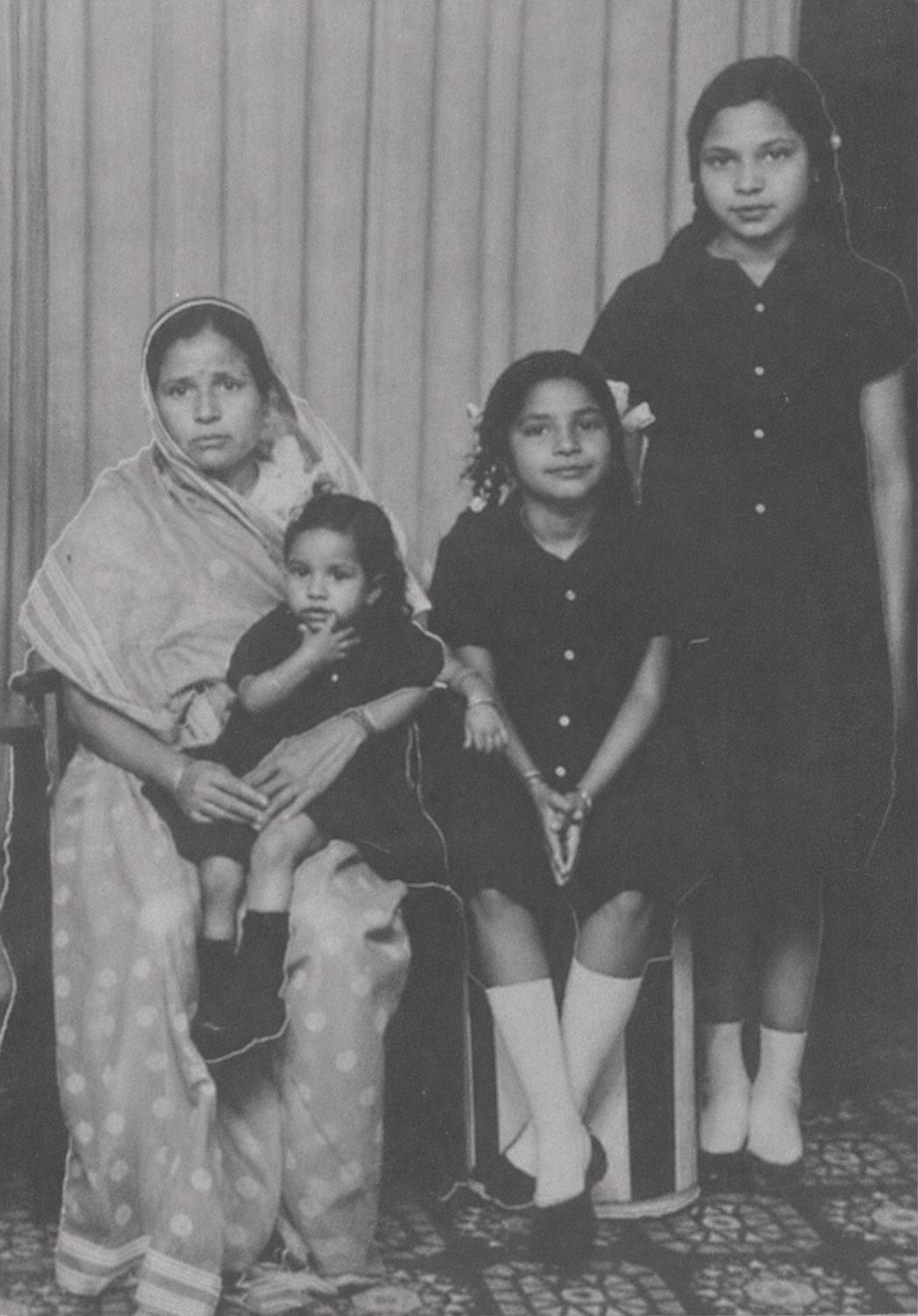

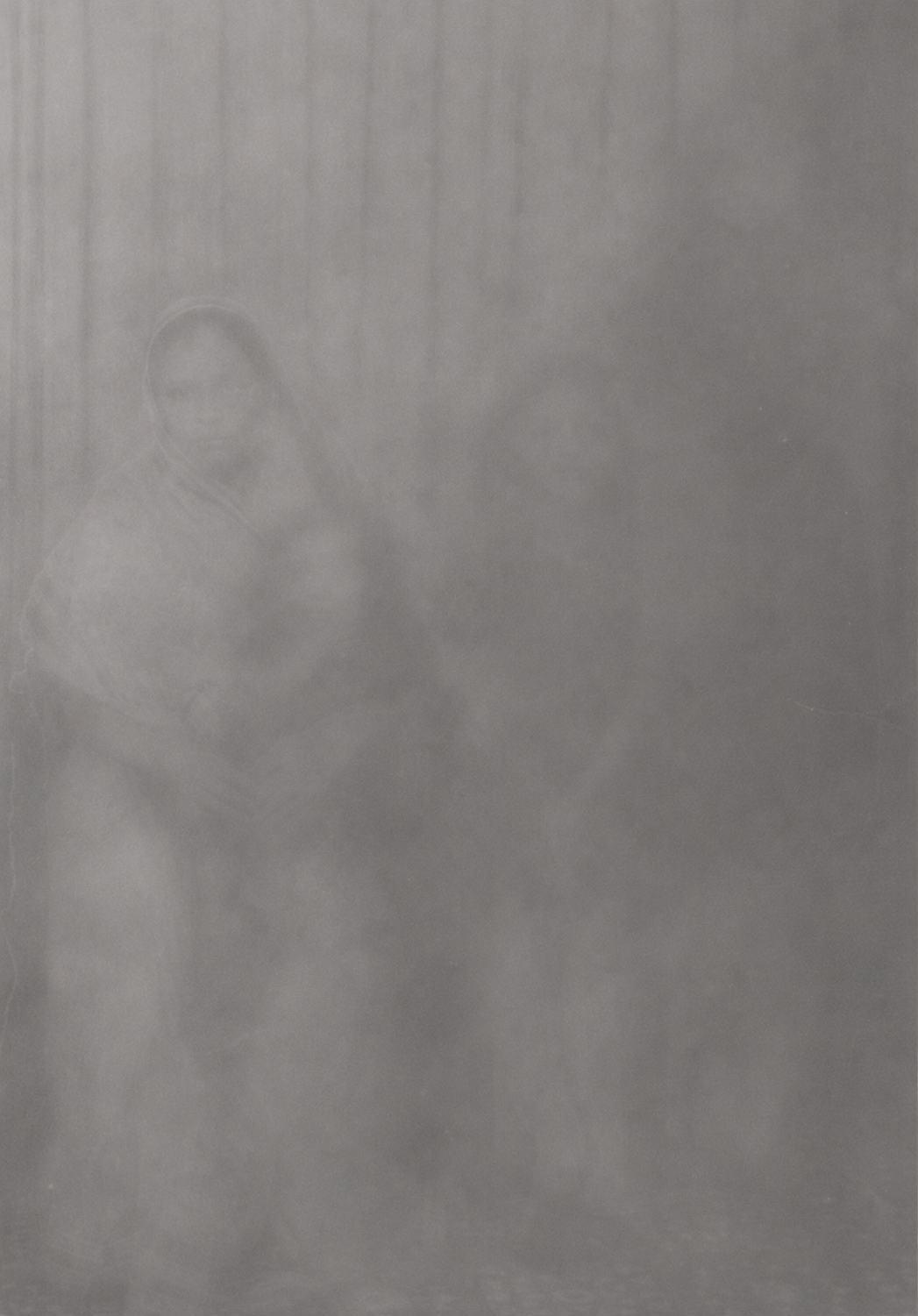
Accompanying narratives offer a glimpse into the individual's perspective,
inviting visitors to reflect on the emotional complexity of losing access to familiar memories while the bonds they represent endure.
Element 03 /
Objects that Remember
The extraordinary memories held by ordinary things.
Everyday objects often carry meanings far beyond their intended function. A flower, an old cassette or a familiar possession can evoke moments, relationships and emotions from a lifetime.
Through a collection of objects and their accompanying narratives, the showcase explores the relationship between sensory associations and memory, reflecting on the moments of familiarity and comfort that can endure despite dementia.

01
The Morning Flower
Scent
Every morning, Harish tends to his garden, where an orange flower reminds him of the one his late wife gave him on their first date.
As dementia makes certain memories harder to recall, its familiar scent and colour continue to bring him comfort; a reminder of a lifetime spent together.

02
The Cassette
Sound
When I was little, Grandpa would play old Hindi songs on his cassette player every morning. Those melodies became the songs I grew up with.
Today, he struggles to remember many things. But when those familiar songs play, he smiles and hums along. For a moment, we share a little piece of his past.
03
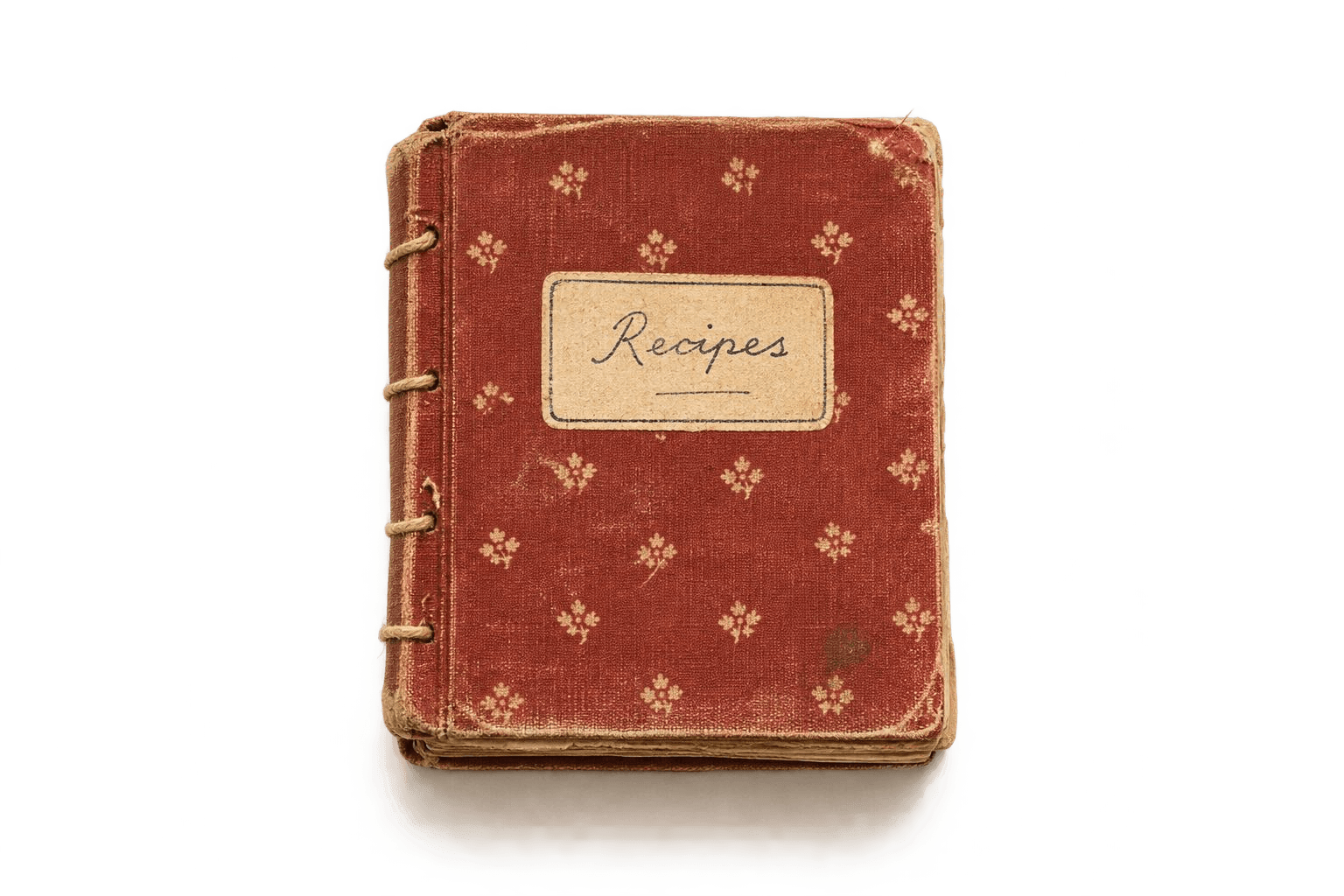
The Recipe Book
Taste
My mother's recipe book is filled with handwritten notes, stained pages and recipes passed down through generations. She once knew them all by heart.
Though she now struggles to remember the ingredients, the familiar aroma of her favourite dishes still brings her comfort. Cooking together has become our way of reconnecting with the memories we share.
Element 04 /
Interactive Learning Stations
The extraordinary memories held by ordinary things.
Everyday objects often carry meanings far beyond their intended function. A flower, an old cassette or a familiar possession can evoke moments, relationships and emotions from a lifetime.
Through a collection of objects and their accompanying narratives, the showcase explores the relationship between sensory associations and memory, reflecting on the moments of familiarity and comfort that can endure despite dementia.